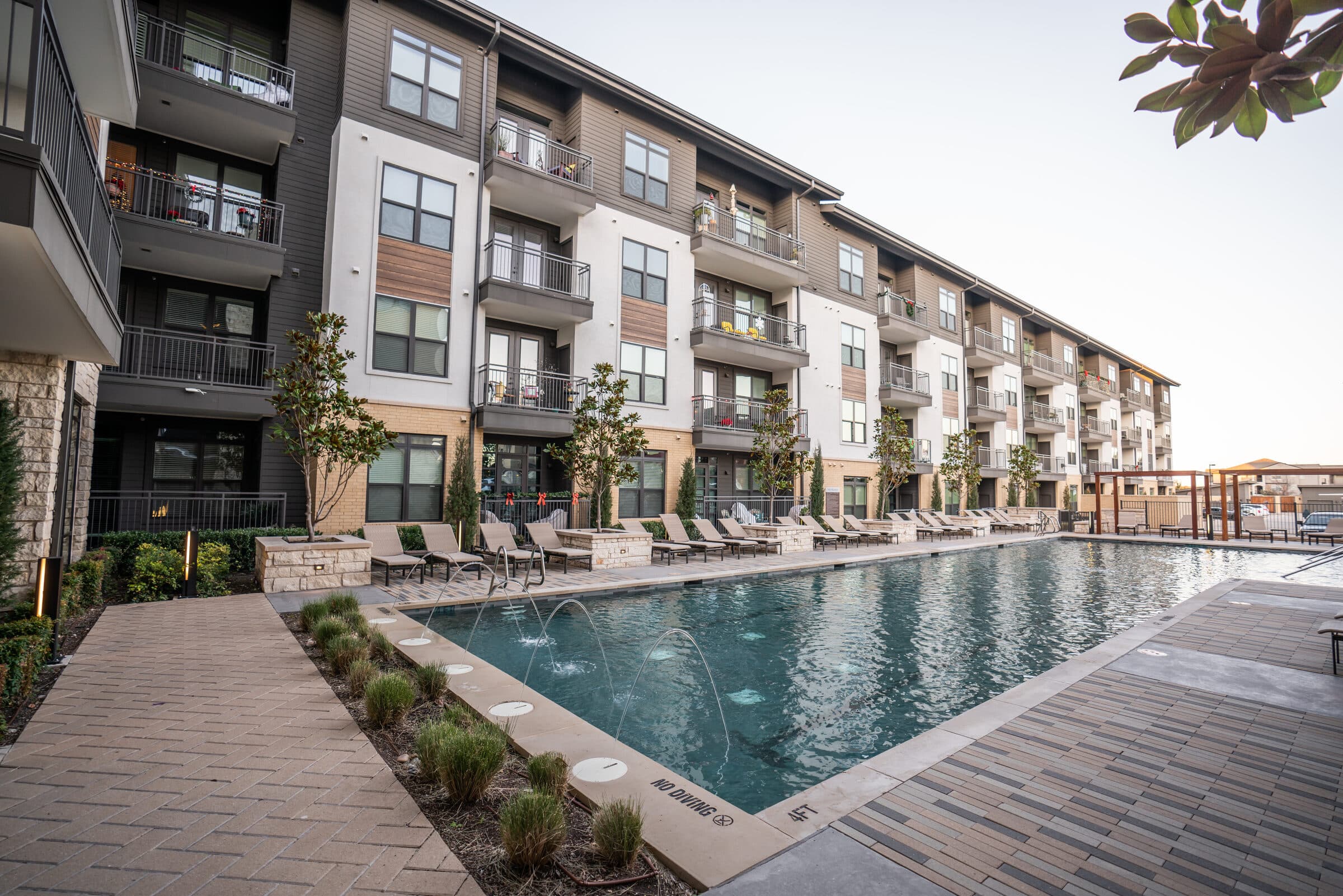
If you sit on an HOA board in Greater Nashville, odds are you didn't sign up to become a pool expert. You signed up to help your community run smoothly, keep residents happy, and avoid surprises at budget time. But your community pool sits right at the intersection of amenity, liability, and politics, and the way you pick a pool service provider matters a lot more than most boards realize.
Most boards end up with a pool vendor one of two ways: they inherit whoever the last board picked, or they run a quick bid process and pick the lowest monthly number. On paper, that looks "responsible." In practice, that's how you end up with cloudy water on Memorial Day, health department write-ups in July, and a pump or heater invoice that blows a hole in your reserve plan.
Public swimming pools in Tennessee, including HOA and apartment pools, are formally defined as facilities used by multiple people and are subject to state and local public pool rules. Those rules set standards for water quality, circulation, safety equipment, and signage that health departments inspect regularly. Compliance isn't optional. It's part of keeping your pool open, legal, and safe.
We get it. We've managed commercial pools for 15+ years in Houston: apartment communities, HOA pools, hotels, and fitness centers. Now we're bringing that experience to Greater Nashville. We've seen what works when boards treat the pool like an asset, and we've also seen what happens when they treat it like a commodity line item and hope for the best.
Nashville Public Pool Permits and Inspection Requirements
Here's what boards need to know about how Metro Nashville regulates community pools:
Every public swimming pool, including HOA, apartment, hotel, and club pools, must apply for and receive an operating permit from the Metro Public Health Department before opening each season.
Metro Nashville classifies pools by expected operating months:
- Class 1: approximately 4 months, $100 annual fee
- Class 2: approximately 6 months, $150 annual fee
- Class 3: year-round, $300 annual fee
These fees apply once the pool is inspected and approved.
While a pool is open to swimmers, Metro Public Facilities inspectors check publicly accessible pools at least once per month for compliance with safety, signage, chemistry documentation, and facility requirements.
This isn't theoretical compliance language. That's Nashville code. Boards that understand which documentation and processes health departments expect end up with fewer citations, fewer surprise issues, and a stronger negotiation position during budget season.
Why Your HOA Pool Vendor Choice Matters
For most communities in places like Brentwood, Franklin, and Mt. Juliet, the pool is one of the biggest annual operating expenses in the amenity budget. It's also one of the most visible. Residents may never see the line items for drainage or insurance, but they definitely notice if the pool is green on the first hot weekend of May.
And because public-type pools in Tennessee are regulated under state and Metro Nashville rules, you're not just buying "cleaning." You're buying consistent chemistry, documented compliance, and a provider who understands inspections and risk management.
Commercial pumps, sand filters, chemical controllers, UV or ozone systems. These pieces of equipment are expensive to repair or replace. A $15,000 pump failure that could've been caught months earlier in a detailed service report is not just a maintenance problem, it's governance risk.
The right pool partner helps you get ahead of issues with documentation and proactive recommendations. The wrong one hands you surprise invoices and excuses.
Licensed, Insured, and Bonded: The Basics Still Matter
Start with the basics: if a pool company can't clearly articulate their licensing, insurance, and bonding status, keep moving. A vendor's insurance isn't just a form. It's protection for your association if injury, property damage, or a chemical incident occurs.
Bonding adds another layer of protection around performance and financial integrity, which is meaningful when you're awarding a multi-year contract funded by monthly assessments.
Why CPO Certification Matters
Ask this early: "Who on your team holds a current Certified Pool Operator (CPO) certification, and who will actually service our pool?"
CPO is the industry standard credential for pool operation. It's not just a resume line. It shows formal training in water chemistry, circulation, filtration, safety, and compliance. Many health departments and commercial clients expect it, and it's a reliable measure of an operator who knows what they're doing.
A CPO-certified tech understands turnover rates, LSI balance (so you're not eating away plaster or scaling heater cores), cyanuric acid management, and how to document what they see.
When we say our technicians are CPO-certified, we mean they've completed formal training and ongoing education. That's exactly what you want for a pool that serves hundreds of residents, not one family.
Service Reports Your Board Can Actually Use
Here's where most pool companies fall down: documentation. "We came, we cleaned, pool looks good" isn't a service report.
A real commercial visit report should read like a mini operations log your board or property manager can drop into a packet. After every commercial visit, we document:
- Water chemistry (free and total chlorine, pH, total alkalinity, calcium hardness, cyanuric acid)
- Water clarity and turnover observations
- Bather load context when relevant
- Any chemical adjustments made
- Equipment status, including pump pressures, filter backwash dates, and controller readings
- Notes on leaks, noises, or items worth monitoring
- Photos when they help tell the story
Monthly, we roll that into a summary that boards use at meetings so the conversation is "here's what's been happening and what we recommend" instead of "I think the pool guy is doing his job."
Clear SLAs and Response Expectations
Another blind spot for many boards is service level agreements. "Weekly service" might sound good, but what does it really mean? For HOA pools in Green Hills, Sylvan Park, or Bellevue, your contract should spell out:
- Scheduled visit days and expected cadence
- Approximate time windows when crews will arrive
- What work happens each visit
- How weather or holidays affect scheduling
- Response times for emergencies vs. standard issues
A pump failure on Fourth of July weekend isn't the same as a loose skimmer lid. We structure SLAs with different tiers: rapid response for critical issues (pumps, main drains, water clarity) and reasonable windows for cosmetic or non-critical tasks, so you know what to expect.
Compliance Knowledge: Tennessee and Metro Rules
Because public pools are permitted and inspected under state and Metro Nashville rules, good documentation isn't optional. It's expected.
Health inspectors don't just glance at water and walk away. They compare your logs to required ranges, check your safety signage, assess circulation performance, and look at sanitation patterns. You want a provider who speaks that language and can anticipate inspection questions before the inspector shows up.
Ask vendors:
- How do you document compliance?
- What chemistry ranges do you target on a busy July afternoon?
- How do you handle fecal or vomit incidents?
- What's your process for verifying required safety equipment and signs?
Boards with providers who answer these directly sleep better in June and July.
Emergency Response and After-Hours Support
Pools don't break Tuesday at 10 a.m. You get issues Friday night, after storms, and over holiday weekends. The question isn't whether problems happen. It's how your vendor handles them.
For commercial clients, we provide priority emergency support with clearly defined emergency criteria: pump or circulation failure, safety risk conditions, or clarity issues that threaten closure. Non-critical issues (minor cosmetic work or non-impactful equipment items) are scheduled as expedited standard calls.
We staff around Nashville's reality: storms that dump debris, power blips that trip equipment, and weekends where you can't afford "we'll be there next week."
Ask for Commercial References, Not Just Homeowner Reviews
Residential reviews are nice, but an HOA pool behaves nothing like a backyard pool. Bather load, inspection expectations, and multi-stakeholder communication are different here.
Ask for references from:
- HOA boards
- Multi-family communities
- Hotels and resorts
- Fitness centers with heavy user traffic
When you call references, ask how the vendor handled peak season, unexpected repairs, inspection prep, and communication under pressure. In Houston, we managed multi-pool HOA communities and large apartment properties with heavy demands, and we bring that commercial mindset to Nashville.
Transparent Pricing and Contract Terms
If one bid is significantly lower than the others, pause. There are only a few ways to get pricing down on commercial service:
- Cut visit time
- Cut visit frequency
- Skip steps (brushing, vacuuming, thorough testing)
- Assume your board won't notice deferred maintenance until it's a capital expense
For Nashville HOA and apartment pools, costs are driven by pool size, weekly visit frequency (especially in peak months), equipment complexity, and whether the service includes inspection documentation and emergency coverage.
A vendor who's transparent about inclusion vs. separate billing (chemicals, repairs, openings/closings) and cancellation/renewal terms is less likely to surprise you later.
You're better off explaining to residents why you chose a mid-priced vendor with accountability than defending why the cheapest option left you with a green pool in June.
Red Flags When Evaluating Pool Companies
Watch out for:
- Vague or no service documentation
- Vendors unsure about commercial compliance or inspection expectations
- No CPO-certified technicians on commercial accounts
- A website heavy on residential service language
- Suspiciously low pricing with no clear scope
- Franchise structures where decisions aren't made locally
You're not being picky. You're protecting your community.
Independent Provider vs. Franchise
Franchise pool companies often follow a corporate playbook: standardized packages, scripts, and service templates. That can look polished, but it often means your pool is treated like "just another job."
As an independent, locally owned company, we make decisions here in Nashville, not in another state. We can adjust visits mid-season if your community's usage spikes, tweak chemical strategies if your pool is dealing with hard water effects, and build custom reports your board prefers.
Consistent techs who know your equipment and your board's expectations make a difference you feel every week.
Nashville's Climate and Seasonal Realities
Middle Tennessee has its own pool personality. Humidity, high spring pollen, and frequent summer storms put real pressure on commercial systems. Pollen season often ramps up March through May, meaning filters and chemistry are working overtime right when swim season is starting.
Most Nashville-area HOA and community pools open between late April and mid-May, with peak traffic from Memorial Day through Labor Day. The most effective boards plan readiness weeks before gates open, not the day the lifeguard chairs come out.
Hard Water and Equipment Protection
Parts of Williamson County and surrounding areas have higher hardness in their fill water, which matters more than many vendors admit. Hard water can scale heaters, salt cells, and tile lines, while low hardness can make water aggressive and damage plaster and metal over time.
That's why we monitor not just chlorine and pH, but calcium hardness and LSI balance when maintaining commercial pools. A pump room in Brentwood or Franklin often has expensive gear: commercial pumps, sand filters, chemical controllers, maybe UV or ozone. Those pieces last longer when water balance is monitored, not guessed. Good reports call out scale, corrosion, or pressure shifts early so you can budget for maintenance instead of reacting to failure.
Pool Traffic Patterns and Service Planning
HOA and community pools around Nashville have similar usage rhythms: moderate early season use, heavy peaks during summer holidays and weekends, and a taper in September if weather holds. Your service plan should match that reality, not assume every week is the same.
In practice that looks like more frequent visits in peak months, aggressive brushing after storms, and tighter chemistry targets on holiday weekends. In Houston, we learned quickly that treating July like October is a recipe for algae and complaints. We bring that "plan for the real world" mindset here.
If You're Evaluating Pool Service for 2026
If you're on an HOA board or manage a community in Greater Nashville and you're reviewing pool contracts for 2026, now is the time to get serious about expectations.
We're happy to walk your property, review your equipment, look at your current contract and inspection history, and give you an honest take on what your pool actually needs, whether you hire us or not.
If that sounds helpful, call (615) 747-POOL or visit tridentaquaticservices.com/contact.
This article is for informational purposes only. Pool maintenance requirements vary by property. Always consult with a licensed pool professional and check local regulations for specific compliance requirements.